
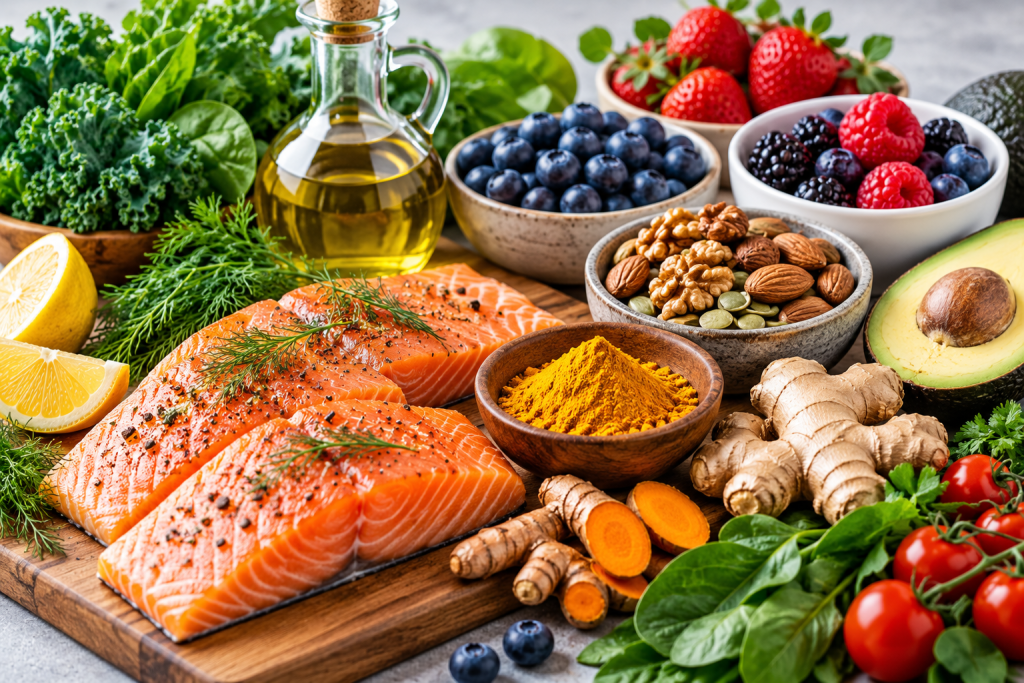
Top 10 Tools to Prevent Chronic Inflammation
Wellness guide from Modugenics Integrative Wellness
Fort Lauderdale, FL | modugenics.com | (954) 323-8684
Disclosure: Some links on our Tools page are affiliate links. If you buy through them, we may earn a commission at no extra cost to you. This guide is for general education and is not medical advice.
Inflammation is the body’s natural response to injury or infection. When it becomes chronic, it has been linked to conditions such as arthritis, heart disease, fatigue, weight gain and cognitive decline.
At Modugenics Integrative Wellness, we believe in prevention first. This guide covers 10 tools, from daily habits to supplements, that may help support a healthier inflammatory balance.
Chronic inflammation is influenced by many factors, including diet, physical inactivity, poor sleep, chronic stress, excess visceral fat, smoking, metabolic dysfunction and certain medical conditions. A strategy to prevent chronic inflammation therefore works on several modifiable factors at once rather than relying on a single food, supplement or treatment.
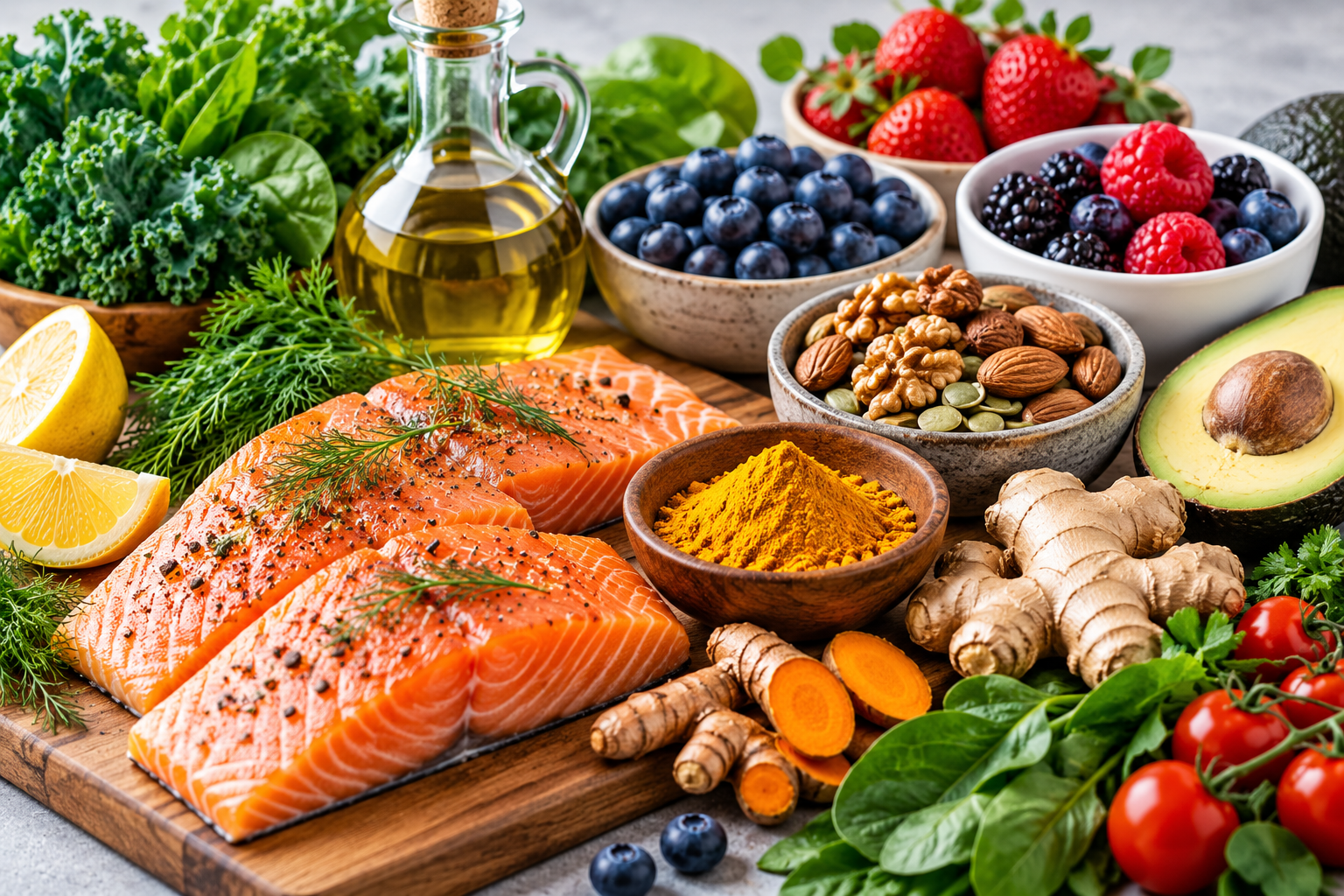
1. Omega-3 Fatty Acids (Fish Oil)
Omega-3 fatty acids, particularly EPA and DHA, are involved in producing compounds that help regulate the inflammatory response. Fatty fish such as salmon, sardines, mackerel and herring are good dietary sources. People who do not eat fish regularly may consider a fish-oil or algae-based supplement. The right amount depends on the individual, especially for patients taking anticoagulant or antiplatelet medications or preparing for surgery.
Learn more from the National Institutes of Health Office of Dietary Supplements.
2. Turmeric / Curcumin Supplements
Curcumin, the main active compound in turmeric, has been studied for its effects on inflammatory signaling pathways. Some clinical studies suggest it can lower certain inflammatory markers in some groups, although results vary by dose, formulation and health status. Because curcumin is poorly absorbed by mouth, many supplements use enhanced-absorption formulas. Patients taking anticoagulant or antiplatelet medications, those with gallbladder disease and those preparing for surgery should talk with their healthcare provider first.
3. Intermittent Fasting
Time-restricted eating and other forms of intermittent fasting may support metabolic health by improving insulin sensitivity and creating a more structured eating pattern. Some studies suggest favorable effects on inflammatory and cardiometabolic markers, but responses vary considerably between people.
A conservative approach is to begin with a 12-hour overnight fast and extend it gradually if appropriate. Fasting is not suitable for everyone, particularly people using insulin or glucose-lowering medications, pregnant or breastfeeding women, and people with certain medical conditions. Patients with diabetes should discuss fasting with their healthcare provider first, because medication changes and closer glucose monitoring may be needed.
4. Antioxidant-Rich Berries
Berries such as blueberries, strawberries, raspberries and blackberries provide anthocyanins and other polyphenols that may help counter oxidative stress and support vascular and metabolic health. A variety of colorful berries in a nutrient-dense diet also adds fiber, vitamin C and other protective plant compounds.
5. Cold Exposure (Cold Showers / Cold Plunge)
Cold exposure has been studied for effects on inflammatory markers, but the evidence is still limited and mixed. If you want to try it, start gradually and stop if you feel unwell. People with heart conditions, high blood pressure or circulation problems should check with their provider first.
6. Magnesium
Low magnesium intake has been associated with higher levels of inflammatory markers such as CRP in some studies. Forms such as magnesium glycinate or threonate are often chosen for tolerability. The right amount depends on your diet, kidney function and medications, so ask your provider before starting a supplement.
7. Regular Physical Activity
Regular movement, including both aerobic exercise and resistance training, is associated with lower levels of inflammatory markers and better cardiometabolic health. Consistency matters more than intensity, and the right starting point depends on your health and fitness level.
8. Red Light Therapy
Red and near-infrared light is being studied for effects on inflammation and cellular energy. Research is still developing, and results vary by device and condition. If you use a device, follow the manufacturer’s instructions and ask your provider if you have a medical condition or take photosensitizing medications.
9. Sleep Optimization Tools
Poor or short sleep is associated with higher inflammatory markers. A cool, dark room, a consistent schedule and limiting evening screen light can help. Tools such as sleep masks and blue-light-blocking glasses are common choices. Ask your provider before using melatonin or other sleep supplements, especially if you take other medications.
10. Gut Health Support
A fiber-rich diet, fermented foods and, for some people, probiotics may support the gut lining and a healthier inflammatory balance. People with digestive conditions or weakened immune systems should talk with their provider before starting probiotics.
Ready to take the next step?
If you are dealing with fatigue, pain or other symptoms, a physician-led evaluation can help find the cause. At Modugenics Integrative Wellness, Dr. Coba and our team build a plan around your labs, history and goals. Results vary from person to person.
(954) 323-8684
Request a consultation
This information is for general education only and is not a substitute for medical advice, diagnosis or treatment. Talk with your healthcare provider before starting any supplement, fasting plan or exercise program.